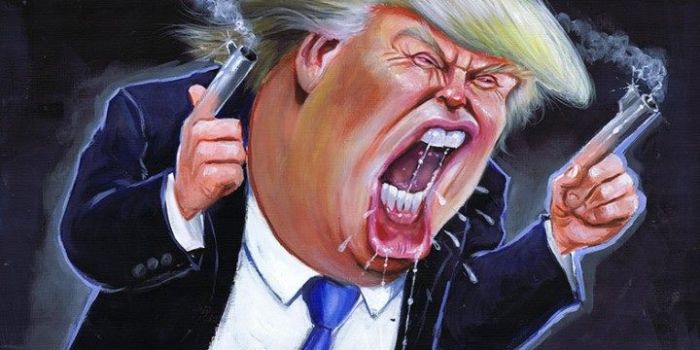
di Fulvio Scaglione da fulvioscaglione.com
Francamente mi è difficile tifare per un simile personaggio, ma le considerazioni di Scaglione sono condivisibili. I liberals e la loro dannata ipocrisia, cosa ci inducono a fare...
Chissà che Presidente degli Usa sarà Donald Trump. A
dispetto di quanto sentiamo da settimane, nessuno può dirlo. Magari
sarà un disastro, e non sarebbe il primo, alla Casa Bianca. In quel caso
prenderemo atto, e lo stesso faranno gli americani. Nel frattempo, i
tifosi travestiti da esperti (gli stessi che trovarono geniale l’idea di
invadere l’Iraq nel 2003, esclusero la vittoria della Brexit e diedero
per scontato il trionfo di Hillary Clinton) dovrebbero spiegare perché,
per dire, Rex Tillerson, amministratore delegato e
presidente di ExxonMobil e come tale conoscitore dei politici e della
politica mondiale, dovrebbe essere un segretario di Stato peggiore della
Clinton o di John Kerry. O perché l’ex generale Michael Flynn, due vite nell’esercito (una come soldato in innumerevoli missioni, l’altra come capo della intelligence
militare) dovrebbe essere per Trump un consigliere per la Sicurezza
nazionale peggiore di quanto lo sia stata Susan Rice per Obama.
Ma appunto: vedremo e capiremo. Per il momento, però, una cosa è certa: la vittoria di Trump ha fatto impazzire il sistema di potere che ha retto gli Usa negli ultimi decenni.
Basta osservare quello che succede. L’Fbi è messa sotto accusa dal
Dipartimento di Giustizia per essersi mal comportata, nel pieno della
campagna elettorale, annunciando di aver ripreso le indagini su Hillary
Clinton. La stessa Fbi che viene citata a sostegno della tesi che la
Russia ha lavorato in modo decisivo per far vincere Trump. In altre
parole: l’agenzia è credibile se dà ragione a Obama, alla Clinton e al
Partito democratico; ha torto, anzi va punita, se dubita del
comportamento di qualcuno di loro.
Sempre a proposito di Fbi. Qualcuno dei molti che lo citano ha
davvero letto il rapporto dell’agenzia sulle interferenze russe, quello
intitolato “Grizzly Steppe – Russian Malicious Cyber Activity”? Vale la pena di leggerlo perché è pieno di nulla.
Dice che i servizi segreti russi hanno penetrato le mail di un partito
politico e mandato un sacco di virus nei computer di uffici governativi,
università, think tank e partiti politici. Poi dà buoni
consigli su come proteggere il proprio computer. Non una parola su cosa
gli hacker del Cremlino avrebbero ottenuto, perché sarebbe troppo
imbarazzante ripetere che le primarie del Partito democratico erano truccate a favore della Clinton
(come risulta dalle e-mail interne al Partito democratico pubblicate da
Wikileaks). Non una parola sull’interesse del Cremlino nel far vincere
Trump.
Ed è forse questa la ragione per cui l’Fbi ora è trascinata in tribunale per ordine di Obama.
Troppo poco impegnata, l’agenzia, nel compito di diffamare Trump.
Perché è questo il vero obiettivo e lo si vede bene dall’altro rapporto,
quello intitolato “Assessing Russian Activities and Intentions in
Recent Us Elections”, firmato dal National Intelligence Council presieduto da Gregory Treverton, nominato da Obama nel 2014.
Ci sono le solite accuse alla Russia, che usa gli hacker e, non
contenta, finanzia siti, radio e Tv che diffondono il suo punto di
vista, pensa un pò. Ma il cuore del tutto sta in un piccolo paragrafo
posto verso l’inizio, che dice: “Putin ha fatto molte esperienze
positive con leader politici occidentali resi dai loro interessi
d’affari più disponibili ad accordi con la Russia, come l’ex presidente del Consiglio italiano Silvio Berlusconi e l’ex cancelliere tedesco Gerhard Schroeder”
(pag.1). Infatti, com’è noto, e a prescindere da qualunque giudizio
politico, con Berlusconi e Schroeder questi due Paesi, Italia e
Germania, si sono sganciati dalla Nato, sono entrati in conflitto con
gli Usa e sono diventati satelliti della Russia. Chissà che cosa avrebbe scritto, il buon Treverton, se avesse conosciuto Craxi e Andreotti!
A questo punto, puntualissimo, è arrivato il dossier su Trump e le
prostitute a San Pietroburgo e Mosca, fatto filtrare ai giornali da vecchi arnesi dei servizi segreti al soldo di esponenti del Partito repubblicano.
Perché il punto è proprio questo: la vittoria di Trump rischia di
mettere in crisi un sistema di potere che negli Usa è sostenuto da
entrambi i partiti. Nel 1999, quando si trattò di bombardare la Serbia,
fu il senatore democratico del Delaware ad andare a convincere il
Congresso: tale Joseph Biden, per otto anni vice di Barack Obama alla
Casa Bianca. E nel 2003, quando si trattò di autorizzare l’uso delle
armi contro l’Iraq, 82 parlamentari democratici si unirono a 215
repubblicani per varare l’invasione.
Questo sistema si regge sulla famosa teoria della “esportazione della democrazia”, varata
nel 1989, subito dopo il crollo del Muro di Berlino, dal presidente
George Bush senior e dal suo segretario di Stato James Baker.
Una bandiera in apparenza nobile ma sventolata solo per coprire il
disegno degli Usa, teso a impedire la rinascita di Russia e Cina, a
bloccare qualunque riavvicinamento tra Russia ed Europa, a ridisegnare
il volto dei Balcani e poi del Medio Oriente. Un obiettivo strategico
caro ai vertici del Partito democratico come ai neo-con. Dopo Bush
senior, infatti, Bill Clinton, George Bush junior e Barack Obama
(distrutta la Libia, aggravata la crisi in Siria, destabilizzata
l’Ucraina. Ispirato o organizzato il golpe contro Erdogan, forse?)
sono stati i fedeli continuatori di quella linea. E lo sarebbe stata
anche Hillary Clinton, non a caso neanche tanto velatamente apprezzata
dai pezzi grossi del Partito repubblicano, i vari Bush, Romney, McCain,
se non le fosse esplosa tra i piedi l’inattesa bomba Trump.
Per questo ora Obama usa i suoi ultimi giorni da Presidente e
mette all’opera i funzionari da lui stesso nominati per screditare
l’intruso Trump, gettare le basi per un eventuale impeachment e,
soprattutto, tentare di rendere impossibile al successore qualunque
scarto dalla rotta demo-neo-con tracciata negli ultimi decenni. Vedremo
come reagirà Trump a questa campagna che è di una violenza senza
precedenti nella storia degli Usa. Ma considerato anche solo il sangue
sparso dal premio Nobel per la Pace Obama, diventa inevitabile, e
moralmente sano, fare il tifo per il palazzinaro dai capelli tinti,
buzzurro amico dei russi. Sperando intanto che sappia pure fare il
Presidente.
Visualizzazione post con etichetta Donald Trump. Mostra tutti i post
venerdì 13 gennaio 2017
venerdì 11 novembre 2016
Ramonet: le 7 proposte di Donald Trump che i media hanno censurato e spiegano la sua vittoria
Il candidato repubblicano è stato in grado di interpretare quella che potremmo chiamare la ‘ribellione della base’. Meglio di chiunque altro ha percepito la frattura sempre più profonda tra le élite politiche, economiche, intellettuali, e mediatiche da una parte, e la base dell’elettorato conservatore dall’altra
di Ignacio Ramonet da l'AntidiplomaticoIl successo di Donald Trump (come la Brexit nel Regno Unito, o la vittoria del ‘no’ in Colombia) significa innanzitutto una nuova clamorosa sconfitta dei grandi mezzi di comunicazione e degli istituti di sondaggio. Ma significa anche che tutta l’architettura mondiale, stabilita alla fine della Seconda Guerra Mondiale, viene adesso travolta e si sfalda. Le carte della geopolitica sono completamente da rifare. Comincia un’altra partita. entriamo in un’era sconosciuta. Adesso tutto può accadere.
Come è riuscito Trump ha invertire una tendenza che lo vedeva sconfitto e riuscire a imporsi nel finale di campagna? Questo personaggio atipico, con le sue idee grottesche e sensazionalistiche, aveva già sovvertito tutti i pronostici. Contro pesi massimi come Jeb Bush, Marco Rubio o Ted Cruz, che potevano anche contare sul sostegno dell’establishment repubblicano, pochissimi lo vedevano imporsi alle primarie del Partito Repubblicano, tuttavia ha carbonizzato i suoi avversari, riducendoli in cenere.
Bisogna capire che dalla crisi finanziaria del 2008 (dalla quale non siamo ancora usciti) nulla è uguale a prima. I cittadini sono profondamente delusi. La democrazia stessa, come modello, ha perso credibilità. I sistemi politici sono stati scossi fin dalle fondamenta. In Europa, per esempio, si sono moltiplicati i terremoti elettorali (tra cui la Brexit). I grandi partiti tradizionali sono in crisi. Ovunque rileviamo una crescita delle formazioni di estrema destra (in Francia, in Austria e nei paesi nordici) o di partiti antisistema e anticorruzione (Italia e Spagna). Il panorama politico è radicalmente trasformato.
Questo fenomeno giunse negli Stati Uniti nel 2010, attraverso un’ondata populista devastatrice, incarnata allora dal Tea Party. L’irruzione del miliardario Donald Trump alla Casa Bianca estende quell’onda e costituisce una rivoluzione elettorale che nessun analista ha saputo prevedere. Anche se sopravvive, in apparenza, la vecchia bicefalia tra democratici e repubblicani, la vittoria di un candidato tanto eterodosso come Trump costituisce un vero e proprio terremoto. Il suo stile diretto, da uomo della strada, il suo messaggio manicheo e riduzionista, che si appella ai più bassi istinti di certi settori della società, molto diverso dal tono abituale dei politici statunitensi, gli ha conferito un carattere di autenticità agli occhi dei settori più delusi dell’elettorato di destra. Per molti elettori irritati dal «politicamente corretto», che credono adesso non sia più possibile dire quello che si pensa senza ricevere accuse di razzismo, la «parole libere» di Trump sui latinos, sugli immigrati e i musulmani, sono state percepite come un vero e proprio sollievo.
A questo proposito, il candidato repubblicano è stato in grado di interpretare quella che potremmo chiamare la ‘ribellione della base’. Meglio di chiunque altro ha percepito la frattura sempre più profonda tra le élite politiche, economiche, intellettuali, e mediatiche da una parte, e la base dell’elettorato conservatore dall’altra. Il suo discorso violentemente anti-Washington e anti-Wall Street ha sedotto, in particolare, gli elettori bianchi, poco colti e impoveriti dagli effetti della globalizzazione economica.
Bisogna precisare che il messaggio di Trump non è similare a quello di un partito neofascista europeo. Non si tratta di un’estrema destra convenzionale. Lui stesso si definisce come un «conservatore dal senso comune» e la sua posizione nella gamma della politica, si colloca esattamente alla destra della destra. Imprenditore miliardario e stella dei reality show, Trump non è un antisistema, né ovviamente un rivoluzionario. Non censura il modello politico in sé, ma i politici che lo stanno guidando. Il suo discorso è spontaneo ed emotivo. Si appella agli istinti, alle viscere, non al cervello o alla ragione. Parla a quella parte del popolo statunitense dove è iniziato diffondersi lo scoraggiamento, l’insoddisfazione. Si rivolge alle persone stanche della vecchia politica, della «casta». Promotore di immettere onestà nel sistema; rinnovare i nomi, i volti e gli atteggiamenti.
I media hanno dato una grande diffusione ad alcune sue dichiarazioni e proposte più odiose o grottesche. Ricordiamo, per esempio, la sua affermazione che tutti gli immigrati clandestini messicani sono «corrotti, criminali e stupratori». O il progetto di espellere gli 11 milioni di immigrati clandestini latini che vuole mettere su degli autobus ed espellere dal paese, mandandoli in Messico. Oppure la sua proposta, ispirata a «Games of Thrones», di costruire un muro frontaliero di 3145 chilometri lungo valli, montagne e deserti, per impedire l’entrata illegale di immigrati latinoamericani il cui investimento di 21 miliardi di dollari sarebbe stato finanziato dal governo messicano.
Anche la sua affermazione che il matrimonio tradizionale, formato da un uomo e una donna, è «la base di una società libera», e la sua critica alla decisione del Tribunale Supremo di considerare il matrimonio tra persone dello stesso sesso un diritto costituzionale. Trump appoggia le cosiddette «leggi di libertà religiosa», promosse dai conservatori nei vari Stati, per negare i servizi alle persone LGTB. Senza dimenticare le sue dichiarazioni «sull’inganno» del cambiamento climatico, un concetto «creato da e per i cinesi, al fine di rendere il settore manifatturiero statunitense meno competitivo».
Questo catalogo di sciocchezze detestabili, è stato ripetuto e diffuso massivamente dai media dominanti negli Stati Uniti e nel resto del mondo.
La principale domanda che alta gente si è fatta è stata: come è possibile che un personaggio con queste idee abbia tanto seguito tra gli elettori statunitensi, che ovviamente non possono essere tutti lobotomizzati? Qualcosa non quadrava.
Per rispondere a questa domanda dobbiamo spaccare la muraglia informativa e analizzare più da vicino il programma completo del candidato repubblicano, per scoprire sette punti fondamentali, taciuti dai media mainstream.
1) I giornalisti non gli perdonano, in primo luogo, che attacchi frontalmente il potere mediatico. Gli rimproverano il fatto di incoraggiare il pubblico, costantemente, nei suoi comizi a fischiare i media disonesti. Trump afferma spesso: «Non sono in competizione con Hillary Clinton, ma contro i mezzi di comunicazione corrotti». In un recente tweet, per esempio, ha scritto: «Se i ripugnanti e corrotti media si occuperanno di me in maniera onesta e non inventeranno falsità, vincerò su Hillary con il 20%».
Considerando ingiusta o sleale la copertura mediatica, il candidato repubblicano non ha esitato a ritirare gli accrediti stampa in occasione di suoi eventi a veri media importanti come: The Washington Post, Politico, Huffington Post e BuzzFeed. E si è spinto fino ad attaccare Fox News, la grande catena della destra mondiale.
2) Un’altra ragione per cui i media mainstream hanno attaccato violentemente Trump è perché lui denuncia la globalizzazione economica, convinto che sta facendo scomparire la classe media. Secondo lui, l’economia globalizzata sta colpendo sempre più gente, e ricorda che, negli ultimi quindici anni, negli Stati Uniti, più di 60.000 fabbriche hanno dovuto chiudere e quasi cinque milioni di lavoro ben pagati sono spariti.
3) Si tratta di un fervente protezionista. Propone di aumentare le tasse sui prodotti importati. «Riprenderemo il controllo del paese, renderemo di nuovo gli Stati Uniti un grande paese», afferma spesso riprendendo lo slogan della sua campagna.
Sostenitore della Brexit, Donald Trump ha rivelato che una volta eletto presidente, cercherà di far uscire gli Stati Uniti dal Trattato di Libero Scambio dell’America del Nord (NAFTA). SI è anche espresso contro l’Accordo di Associazione Transpacifico (TPP), ed ha assicurato che ottenuta la Presidenza, farà uscire il paese dallo stesso: «Il TPP sarebbe un colpo mortale per l’industria manifatturiera degli Stati Uniti».
In regioni come il rust belt, il «cinturone dell’ossido» del nordest, dove le delocalizzazioni e la chiusura delle fabbriche manifatturiere hanno causato alti livelli di povertà e di disoccupazione, questo messaggio di Trump ha colpito in profondità.
4) Proprio come il suo rifiuto dei tagli neoliberisti in materia di sicurezza sociale. Molti elettori repubblicani, vittime della crisi economica del 2008 o che hanno più di 65 anni, hanno bisogno della Social Security (pensione) e del Medicare (assicurazione sanitaria) che ha sviluppato il presidente Barack Obama, ma che altri leader repubblicani vogliono eliminare. Trump ha promesso di non toccare questi avanzamenti sociali, di ribassare il prezzo dei farmaci, di contribuire nella risoluzione dei problemi dei «senza tetto», riformare la fiscalità dei piccoli contribuenti ed eliminare l’imposta federale che colpisce 73 milioni di famiglie a basso reddito.
5) Contro l'arroganza di Wall Street, Trump propone di aumentare in modo significativo le tasse sui mediatori di hedge fund che guadagnano fortune, e supporta il ripristino della legge Glass-Steagall. Adottata nel 1933, durante la Grande Depressione, questa legge separava le banche tradizionali dalle banche d’investimento con l’obiettivo di evitare che le prime potessero fare investimenti ad alto rischio. Ovviamente, l’intero settore finanziario è assolutamente contrario al ripristino di questa misura.
6) In politica internazionale Trump vuole stabilire un’alleanza con la Russia per combattere con efficacia l’Organizzazione dello Stato Islamico (ISIS il suo acronimo in inglese). Anche per questo Washington deve riconoscere l’annessione della Crimea da parte di Mosca.
7) Trump crede che con il suo enorme debito pubblico, gli Stati Uniti non abbiano più le risorse necessarie per condurre una politica estera interventista indiscriminata. Non possono imporre la pace a qualsiasi prezzo. In contraddizione con diversi Ras del suo partito, e come conseguenza logica della fine della guerra fredda, vuole cambiare la NATO: «Non ci sarà mai più una garanzia di protezione automatica degli Stati Uniti per i paesi della NATO».
Tutte queste proposte non invalidano le assolutamente inaccettabili, odiose e a volte nauseabonde dichiarazioni del candidato repubblicano riportate con grande enfasi dai media mainstream. Ma spiegano meglio i motivi del suo successo.
Nel 1980, l’inaspettata vittoria di Ronald Reagan alla presidenza degli Stati Uniti fece entrare l’intero pianeta in un ciclo di quarant’anni di neoliberismo e di globalizzazione finanziaria. La vittoria di oggi di Donald Trump può farci entrare in un nuovo ciclo geopolitico la cui pericolosa caratteristica ideologica principale - che vediamo sorgere ovunque, in particolare in Francia con Marine Le Pen - è l’autoritarismo identitario. Un mondo si sgretola e quindi arrivano le vertigini.
(Traduzione dallo spagnolo a cura de l'AntiDiplomatico)
lunedì 11 aprile 2016
Il Mito di Clinton e lo Strano Caso di Donald Trump
di
Andrew Levine (da Counterpunch)
I
Repubblicani sono noti per farsi delle opinioni “senza le remore
del ragionamento”, come dicevano Tom e Ray [1]. Ma hanno problemi
anche con i fatti.
Si
suppone che i Democratici se la cavino meglio con queste cose, ma
molti di loro, quasi tutti forse, incontrano difficoltà analoghe.
Come spiegare altrimenti la convinzione, ampiamente diffusa, che
Hillary Clinton potrà essere poco appetibile, poco attendibile,
poco affidabile, poco coinvolgente, e comunque più “moderata”
dell'elettore Democratico medio, ma comunque è una che sa come
ottenere risultati?
Del
tipo? Si potrebbe avere qualche esempio? Nei primi anni 90, ha
talmente incasinato la riforma sanitaria che per i successivi
vent'anni uno spaventoso numero di americani è rimasto poco o per
nulla assicurato.
La
riforma di Obama ha portato qualche miglioramento, ma ha anche
rafforzato ulteriormente il potere delle compagnie assicurative
private, gli enti sanitari con fini
di profitto e, peggio di tutto, Big Pharma. Molta della colpa
di questi “sviluppi rivoltanti” [2] è delle macchinazioni ordite
da Hillary una generazione fa.
Il
suo incarico al Dipartimento di Stato ha avuto esiti ancora più
disastrosi. Non c'è dubbio, Obama aveva le sue ragioni per nominarla
Segretario di Stato, ma che gli passava per la testa?
Tutto
ciò che conosce della scena internazionale viene da quello che ha
spigolato nel ruolo politico di moglie o di mediocre senatrice. A
differenza, tanto per dire, di Sarah Palin, conosce il nome di molti
leader internazionali, identificandoli magari anche di faccia.
Potrebbe anche ricorrere all'assistenza dei pochi rimasti consulenti
di politica estera del marito, del resto tutt'altro che eccezionali.
Ma nulla di più.
Il
passaggio da Condoleezza Rice a Hillary è stato, tutto sommato, un
peggioramento. La politica estera americana è rimasta più o meno la
stessa, ma almeno Rice non aveva tempo per gli “interventi
umanitari” in stile Samantha Power [3].
Hillary
ha cominciato a farsi le ossa incoraggiando il sanguinoso colpo di
stato del 2009 in Honduras, e dal suo primo giorno a Foggy Bottom [4]
si è impegnata a seminare zizzania fin nei luoghi più remoti.
Grazie al cielo, tuttavia, quando si trattava di esercitare la sua
“responsabilità di proteggere” ha avuto bisogni di tempo per
carburare. Quando alla fine ci è riuscita, la Regina
del Caos [5] ha combinato un gran casino.
Il
disastro libico non è interamente sua responsabilità, ma sarebbe
lecito affermare che i danni procurati da lei superino quelli
prodotti da qualsiasi altro funzionario del governo americano,
incluso Presidente, che lei ha più o meno costretto a lasciar
proseguire il conflitto.
Ha
rovinato anche qualsiasi altro intervento americano nel nascente
fenomeno delle Primavere Arabe. Il risultato si può vedere in
Egitto, o in Yemen, e in tutta la regione del Golfo. Ma questo è
niente in confronto ai cambiamenti a cui ha dato il suo contributo in
Siria e Irak.
Nemmeno
la crisi europea dei rifugiati, diretta conseguenza dell'intervento
occidentale nella guerra civile siriana, è interamente colpa sua, e
neanche gli attacchi terroristici che al momento subiscono i paesi
europei che hanno partecipato come cobelligeranti alle guerre di Bush
e Obama.
E
tuttavia, la sua sprovveduta goffaggine ha dato un grosso contributo
a entrambi i disastri, tra l'altro ancora in corso. Hillary non è
stata mai usata come capro espiatorio, ma è lecito affermare che,
per i motivi già esposti e per il risultante stress subito
dall'Unione Europea, la sua responsabilità è quasi allo stesso
livello di quella di Barack Obama.
La
sua mania di provocare la Russia la rende ancora più pericolosa.
Quelli che si innervosiscono al pensiero dei ditini di Donald Trump
poggiati sul pulsante che può scatenare un olocausto nucleare,
potrebbero a ragione preoccuparsi anche di quelli di Hillary. Hillary
ci prova gusto a mandare gli altri a combattere le battaglie
dell'impero; e nei casi in cui Obama esita, lei invece è entusiasta.
Sulla questione russa, dei due Trump sembra decisamente il più
razionale.
E
poi c'è la Cina. Trump ha appena affermato di voler stipulare
migliori accordi commerciali; va be', se ne avesse l'occasione, e non
l'avrà, prego, si accomodi pure! Dall'altra parte, Hillary è una
degli autori della strategia di attacco nei confronti dell'Asia. In
altre parole, vuole provocare anche i cinesi. In un'era in cui una
guerra tra potenze nucleari potrebbe porre fine alla vita sulla Terra
“per come la conosciamo”, come dicono in clintonese [6], non si
tratta di un dettaglio trascurabile.
È
tutt'altro che chiaro come agirebbe Sanders [l'altro aspirante
candidato Democratico per le presidenziali -ndt] riguardo Cina,
Russia o Medio Oriente, o altro ancora. Ma sembra una persona
ragionevole e con la testa sulle spalle, il cui livello di
testosterone è sotto controllo. Già questo lo rende molto meglio di
Hillary.
Come
è stato osservato in tantissime occasioni sia dai suoi sostemitori
sia dai suoi critici, le sue idee sulla politica estera rientrano nel
consueto spettro del Democratico “progressista”. Ma, a differenza
di Hillary, è più un tipo da J-Street che da AIPAC [7]; e le
ideologie neoconservatrici e di imperialismo liberale non lo
entusiasmano per nulla. La distanza tra loro non è grande quanto
dovrebbe, ma non è affatto trascurabile.
Eppure,
più di qualche liberale ben intenzionato è del parere che Sanders
venda sogni che non potrà realizzare, mentre Hillary è una
“pragmatica” che sa come muoversi, e che è capace di realizzare
almeno qualcuno di quei sogni. “Non potete ingannare tutti per
sempre”[8], ma di certo potete minchionare un sacco di liberal.
Com'è
sorto il mito della competenza di Hillary e come mai resta
incrollabile, ad onta delle schiaccianti prove del contrario? Gli
storici del futuro avranno parecchio su cui riflettere. Quel che oggi
possiamo affermare con certezza e che la spiegazione non risiede
assolutamente nel fatto che Hillary sia davvero competente.
*
* *
Un
altro mistero, forse più grande, è quello che riguarda Donald
Trump: l'idea che egli sia qualitativamente peggiore degli altri
candidati Repubblicani.
Finora
la situazione resta fluida, ma ci sono molti della
dirigenza Repubblicana che insinuano quest'idea, che Trump è
il peggio del peggio, e che piuttosto di appoggiarlo preferirebbero,
da quei ratti che sono, abbandonare la nave che affonda in cui si è
trasformato il loro partito.
Se
fossero animali razionali [9] si sarebbero abbrancati a Hillary da un
pezzo. I ras delle corporation e i delinquenti di Wall Street di cui
sono al servizio non avrebbero un'amica migliore di lei. Comunque,
nei circoli Repubblicani la razionalità si è fatta perfino più
rara della decenza morale.
Adesso
il candidato della dirigenza è Ted Cruz, perché non resta nessun
altro – a parte John Kasich, che probabilmente si ritirerà dalla
corsa una volta perse le primarie nel Wisconsin.
E
questo è strano, perché non esiste nessun plausibile sistema di
misura secondo il quale chiunque, perfino Trump, possa risultare più
odioso di Cruz.
Dico
questo non solo perché, secondo ogni fonte affidabile, tutti quelli
che hanno a che fare con Cruz finiscono per odiarlo a morte. Si
tratta dell'uomo che vuole “bombardare a tappeto” le zone del
Medio Oriente e eell'Africa sotto il controllo dello Stato Islamico,
o comunque ci sia una forte presenza dell'ISIS, e che vuol sottoporre
i quartieri musulmani degli Stati Uniti a un controllo poliziesco che
ricorda la legge marziale.
La
stupidità di queste e altre proposte avanzate da Cruz rivaleggia con
la promessa fatta da Trump di costruire “muro davvero fantastico”
lungo il confine col Messico (pagato dai messicani); il carattere
puramente abbietto delle idee di Cruz supera perfino le proposte di
Trump di rivalutare il waterboarding e di ricorrere a forme
ancora più pesanti di tortura.
Perché,
quindi, Cruz è accettabile e invece Trump, almeno finora,
apparterrebbe all'inconcepibile?
La
spiegazione, in parte, dovrebbe essere che la dirigenza Repubblicana,
così come la sua controparte Democratica, non amano affatto che un
“normale” politico li richiami alle loro responsabilità, come fa
Trump richiamando l'attenzione sul sistema corrotto a cui
collaborano.
Trump
non va bene, ma Cruz sì, praticamente per le identiche ragioni per
cui, nello schieramento “opposto”, Sanders viene ignorato e,
quando ignorarlo diventa impossibile, viene sminuito, e quando
sminuirlo è impossibile – perché sta vincendo troppe primarie e
attirando un seguito troppo vasto ed entusiasta – i portavoce del
regime lo schifano comunque, in base al fatto che, succeda quel che
succeda, le probabilità contro di lui sono insormontabili.
Ma
Trump, dopotutto, è un affarista intrallazzone; e se si dovesse
arrivare al dunque, lui e i suoi compari capitalisti potrebbero
probabilmente trovare una maniera di mettersi d'accordo. Prendere a
bordo Sanders, per i membri della “classe miliardaria” [come lui
la definisce], sarebbe più difficile, non perché le sue posizioni
siano poi così radicali, ma perché è schierato sinceramente con le
loro vittime, e nutre un genuino disprezzo per l'attaccamento al
denaro.
La
coscienza di classe potrebbe, probabilmente dovrebbe, fare di Trump
un fidato custode degli interessi di milionari e miliardari. Ma è
una mina vagante, un figlio di mignotta che potrebbe pure dirgli di
andare al diavolo. Che Trump farebbe una cosa del genere, è
precisamente quello che si aspettano i suoi sostenitori, e potrebbero
azzeccarci.
I
titani della finanza e dell'industria saranno anche preoccupati delle
vaghe e volubili proposte politiche di Trump, che in genere si
collocano alla sinistra di quelle di Hillary – perfino a sinistra
di quelle di Sanders, si potrebbe sostenere, su punti fondamentali di
politica estera e iniziative militari che comportino interventi
oltremare. Trump ha perfino parlato male della NATO, cosa che né
Sanders né alcun altro rispettabile membro della classe politica
americana farebbero mai.
D'altro
canto Cruz è il paladino di qualsiasi bufala libertarian,
neoconservatrice o teocratica che stia a cuore all'estrema destra. Ai
ricconi questo piace.
Ma
la storia non finisce qui, anzi non siamo arrivati nemmeno alla metà,
almeno fino a questo punto.
Quello
che i Repubblicani “moderati” vorrebbero dare a intendere alla
gente è che essi ritengono Trump inaccettabile per via di quello che
dice e propone di fare a chiunque non sia maschio e bianco.
Tutto
ciò è sommamente ipocrita. I Repubblicani denigrano chiunque non
sia maschio e bianco almeno dal tempo in cui Richard Nixon e Pat
Buchanan fecero della “Southern strategy” il loro piano di
battaglia.
La
differenza è che Trump dice forte e chiaro quello che gli altri
dicono per sottintesi.
Ai
pezzi grossi del partito questo non piace, ed è davvero ironico,
perché lo trovano politicamente scorretto.
I
Repubblicani si fanno beffe del politicamente corretto in tutte le
maniere, controllate leggendovi le trascrizioni dei primi dibattiti
elettorali! E tuttavia cercano tutti di trattenersi, tutti tranne
Trump. Per lui, sin dal primo giorno, significava vivere il Sogno.
I
caporioni Repubblicani moderati (e quelli moderati-ma-non-troppo)
detestano quello che chiamano “politicamente corretto” perché
gli impedisce di manifestare il loro razzismo, sciovinismo, misoginia
e islamofobia. Ma siccome tengono ancora di più al loro amor
proprio, tutti quanti, a parte Trump, desiderano mantenere almeno una
parvenza di decoro.
Di
conseguenza ritengono importante il rispetto di norme linguistiche e
comportamentali che impediscano a persone del loro rango di fare la
figura di mocciosi durante la ricreazione, o bulli da spogliatoio, o
attaccabrighe da osteria. La pensa così perfino Cruz.
Gli
esempi di simili trasgressioni sono nella mente di tutti: chi si
candida a Presidente non deve parlare di dimensioni del pene, o
dell'aspetto estetico delle mogli dei loro contendenti. Chiamare
tutti i messicani “stupratori” va benissimo, dire di una donna di
spicco che è “brutta”, no.
Osservazioni
come queste non sono presidenziali per niente. Ma Trump se ne frega.
Lui dice quello che gli pare, e siccome gliela fanno passare, e la
cosa lo rende ancor più popolare, non ha motivo di cambiare.
Non
ha quindi nessuna ragione di essere politicamente corretto negli
aspetti che i suoi contendenti ritengono importanti. Loro si
oppongono al politicamente corretto che proibisce battute oscene e
epiteti razzisti, mentre apprezzano quello che conferma la dignità
della funzione a cui aspirano o che già esercitano.
Potranno
anche essere miserabili senza speranza, ma i rivali di Trump nel
Partito Repubblicano cercano comunque, di solito invano, di
scimmiottare la dignitosità e gli affettati convenevoli dei leader
generati da classi dirigenti sicure di sé.
Per
questa roba, Trump non ha tempo. Da egomaniaco certificato qual è,
di autostima ne ha da buttar via, e non deve fingersi nobile d'animo
per dimostrarlo. La sua norma di vita è chiara: quello che hai
sbattiglielo in faccia.
Perciò
trasgredisce le norme che gli altri rispettano. Può darsi che questo
renda Trump un uomo particolarmente deplorevole, perfino secondo i
parametri Repubblicani, ma l'idea che le sue politiche siano peggiori
di quelle degli altri è assurda. Le politiche peggiori sono quelle
di Cruz, l'ultimo paladino della dirigenza.
Ciononostante,
nel corso di queste elezioni dal mito di Trump può derivare un gran
bene. Sta facendo impazzire la vecchia guardia e andare in pezzi il
Partito.
Dall'altro
lato, dal mito che Hillary Clinton sia più capace ed eleggibile di
Bernie Sanders (o che lei sia una “progressista pragmatica”) non
può venire niente di buono.
Questo
mito serve solo a mantenere in vita le illusioni di quelli che
operano per farci subire ancora di più quello che abbiamo dovuto
sopportare negli ultimi otto anni – solo, con un comandante in capo
inetto, bellicoso e tonto al posto di Barack Obama.
Se
Hillary tornasse alla Casa Bianca, quelli di noi che hanno sempre
saputo che Obama è un emissario di Wall Street, e che le sue
promesse di “speranza” e “cambiamento” erano una fregatura,
si ritroveranno a rimpiangerlo.
E
faranno lo stesso i liberal ancora aggrappati ai resti delle loro
illusioni obamofile. Molti di questi liberal ora nutrono illusioni
riguardo Hillary, sebbene con livelli di entusiasmo prossimi allo
zero assoluto.
Se
avranno successo si ritroveranno vivere l'esperienza dell'acquirente
deluso, peggio che ai tempi di Lyndon Johnson.
Tuttavia
non è troppo tardi per scongiurare il pericolo grave e immediato
dell'avvento di una vera e propria Restaurazione Clintoniana. Se lo
slancio di Sanders continua a crescere, potremmo non essere costretti
a fare buon viso a cattivo gioco.
Ora
come ora, la questione urgente è questa.
I
titoli sono tutti per Trump perché per l'industria dell'informazione
lui è una vera cuccagna. Ma non è nemmeno lontanamente il problema
che invece Hillary è, sia per il paese sia per il mondo.
Trump
si è già guadagnato un posto d'onore nella storia americana per il
ruolo che ha avuto nel rottamare il Partito Repubblicano. Ma i suoi
giorni da protagonista della Storia sono finiti. Quelli di Clinton
potrebbero essere solo all'inizio, e le probabilità che ottenga
risultati paragonabili anche lontanamente a quelli ottenuti da Trump
sono zero.
A
meno che non si scateni una devastante epidemia di demenza
collettiva, Trump non potrà mai venire eletto Presidente degli Stati
Uniti. C'è un limite alla sconsideratezza degli elettori, perfino in
un paese che ha eletto due volte George W. Bush.
Hillary
invece potrebbe vincere le elezioni, e se lo facesse sarebbero cavoli
amari.
È
di Pogo, il personaggio di Walt Kelly, la celebre battuta: “Abbiamo
incontrato il nemico, e siamo noi.” Il tempo giusto per i
benintenzionati sostenitori di Hillary, e di altri che la vedono come
un male minore, era ieri, o il giorno prima ancora.
Andrew
Levine è senior scholar presso l'Institute
for Policy Studies; tra le sue ultime opere ci sono The
American Ideology (Routledge) e Political Key Words
(Blackwell), che si aggiungono a molti altri volumi e articoli di
filosofia politica. Il suo ultimo libro è In Bad Faith: What's
Wrong With the Opium of the People. È stato docente (di
filosofia) presso la University of Winsconsin-Madison e ricercatore
(filofia) presso la University of Maryland-College Park. Ha
contribuito a Hopeless: Barack Obama and the Politics of Illusion
(AK Press).
Note
del traduttore
[1]
I fratelli Tom e Ray Magliozzi hanno condotto (dal 1977 al 2012) un
programma radio per l'emittente pubblica statunitense NPR intitolato
Car Talk, nel quale, con forti accenti di commedia, davano
consigli tecnici agli ascoltatori con problemi alle loro auto. Quando
l'inconveniente sembrava particolarmente difficile da risolvere,
tentavano comunque di dare una soluzione, definita sarcasticamente
come “priva degli ostacoli del ragionamento” (unencumbered by the
thought process).
[2]
Tormentone di una fiction radiofonica statunitense degli anni 40
(“What a
revoltin' development this is!”), riutilizzato dal personaggio
Ben Grimm (La Cosa), membro dei Fantastici Quattro della Marvel.
[3]
Ambasciatrice degli Stati Uniti presso le Nazioni Unite, Samantha
Powers esprime in maniera quasi emblematica la visione di “impero
del bene” che è l'ideologia ufficiale del suo paese. Gli Stati
Uniti operano per ragioni umanitarie, la Corea del Nord è un inferno
in terra, la Russia ha aggredito l'Ucraina, il problema della Siria è
Assad, Israele è vittima di una persecuzione internazionale,
eccetera.
[4]
Il quartiere di Washington, D. C. il cui nome è diventato sinonimo
di Dipartimento di Stato, ivi insediatosi nel 1947.
[5]
“Hillary il Falco, sia come Senatrice sia come Segretario di Stato,
non ha mai incontrato un sistema d'arma che non avesse la sua
approvazione, o un intervento bellico statunitense che lei non
appoggiasse.” (Ralph Nader)
[6]
Si riferisce alla riforma dello stato sociale avviata da Bill Clinton
nel 1997. Secondo le sue stesse parole “Today,
we are ending welfare as we know it” (Oggi poniamo fine al
welfare, per come l'abbiamo concepito finora). Essenzialmente si
trattava semplicemente di ridurre l'aiuto dello Stato per i meno
fortunati, tutto qui.
“Le
comunità di lavoratori e classe media in tutta America si
trasformeranno in una terra desolata di paura e violenza, creata da
un governo che ha deciso di non aver alcun obbligo nei confronti dei
suoi cittadini più bisognosi. In un ambiente del genere, ognuno di
noi diventerà predatore o preda.” [The
Nation]
[7]
Si tratta del confronto tra due lobby statunitensi pro-Israele, una
(J-Street) “progressista”, l'altra (AIPAC) “conservatrice”.
[8]
La citazione completa suona: “Potete ingannare tutti per qualche
tempo e qualcuno per sempre, ma non potete ingannare tutti per
sempre.” (You can fool some of the people all of the time, and all
of the people some of the time, but you can not fool all of the
people all of the time). Viene erroneamente attribuita
ad Abraham Lincoln (a volte anche a P. T. Barnum), che l'avrebbe
pronunciata in un discorso tenuto a Clinton (!), Illinois, nel 1858
(o 1856), ma la fonte originale dovrebbe essere Jacques
Abbadie,
citato in seguito anche dall'Encyclopédie
di Diderot-D'Alembert.
[9]
Ho preferito rendere l'originale “rational agents” (termine
affine all'informatica e all'Intelligenza Artificiale) con
l'aristotelico “animale razionale”, per mantenere il tono
sarcastico.
[10]
In sintesi, la “southern strategy” consisteva nel soppiantare
(negli stati del sud) il consenso (già declinante) per i Democratici
con quello per i Repubblicani, facendo appello ai sentimenti più
retrivi e razzisti dell'elettorato bianco. “E il risultato fu
subito evidente: nel 1972 infatti Nixon ottenne l'82 per cento del
voto degli elettori bianchi negli undici stati dell'ex
Confederazione.” (Giovanni Borgognone, Storia degli Stati Uniti,
Feltrinelli 2013)
Traduzione per doppiocieco di Domenico D'Amico
domenica 3 aprile 2016
The Clinton Myth and the Strange Case of Donald Trump
by Andrew Levine from counterpunch
Republicans are known for forming opinions “unencumbered by the thought process,” as Tom and Ray, the Car Guys, used to say. They have problems with facts too.
Democrats are supposed to be better at such things, but many, maybe most, of them have a similar problem. How else to account for the widespread belief that while Hillary Clinton may be unappealing, inauthentic, untrustworthy, uninspiring, and more “moderate” than the average Democratic voter, at least she knows how to get things done?
Like what? Examples please! She bungled health care reform so thoroughly in the early nineties that, for the next two decades, appalling numbers of Americans remained uninsured or underinsured.
Obamacare fixed some of that, but it also further entrenched the power of private insurance companies, for-profit health care providers, and, worst of all, Big Pharma. A lot of the blame for these “revolting developments” goes back to Hillary’s machinations a generation ago.
Her tenure at the State Department was more disastrous still. No doubt, Obama had his reasons for making her his Secretary of State, but what was he thinking!
All she knew of world affairs was what she picked up as an official wife and as a lackluster Senator. Unlike, say, Sarah Palin, she could name of a lot of world leaders, and she could probably have picked many of them out of a lineup. She could also call upon the services of what remained of her husband’s far from stellar foreign policy team. But that was about it.
The transition from Condoleezza Rice to Hillary was, all things considered, a step down. American foreign policy remained about the same, but at least Rice had no time for “humanitarian interveners” of the Samantha Power type.
Hillary got her feet wet encouraging the bloody 2009 coup in Honduras, and, from her first days at Foggy Bottom, she was busy sowing seeds of mischief in far away places. Thankfully, though, when it came to exercising her “responsibility to protect,” she took her time getting up to speed. When she finally did, the Queen of Chaos messed up royally.
The disaster in Libya isn’t entirely on her, but it would be fair to say that the harm she did outweighs the harm done by other high officials in the American government, including the President, whom she more or less bullied into letting the war proceed.
She botched every other American intervention into the unfolding Arab Spring as well. The results are evident now in Egypt and Yemen and throughout the Gulf. All that pales in comparison, however, with the changes she helped set in motion in Syria and Iraq.
The refugee crisis in Europe, a direct consequence of Western intervention into the Syrian Civil War, isn’t entirely her fault either, nor are the terror attacks currently afflicting European countries that have joined the United States as co-belligerents in the Bush-Obama wars.
However, her clueless blundering contributed mightily to both of those on-going disasters. The buck never did stop with her, but it would be fair to say that, for all that, and for the resulting strain on the European Union itself, her responsibility is nearly as great as Barack Obama’s.
Her passion for provoking Russia makes her more dangerous still. People who worry about Donald Trump’s little fingers on the buttons that could unleash a nuclear holocaust have reason to worry about her fingers too. Hillary relishes sending others out to fight the empire’s wars; and where Obama is at least hesitant, she is gung ho. On the Russia Question, Trump seems by far the more rational of the two.
Then there is China. Trump just says he wants to negotiate better trade deals; OK, if he gets a chance, which he won’t, let him knock himself out. Hillary, on the other hand, was one of the authors of the “pivot” towards Asia. In other words, she wants to provoke the Chinese too. At a time when wars with nuclear powers can end life on earth “as we know it,” as they say in Clintonese, this is no small consideration.
It is far from clear how Sanders would deal with Russia and China or the Middle East or anywhere else. But he seems to be a levelheaded and thoughtful person whose testosterone levels are under control. This puts him way ahead of Hillary.
As has been pointed out countless times by supporters and critics alike, his foreign policy views fall within the normal range for “progressive” Democrats. But, unlike Hillary, he is a J-Street, not an AIPAC, type of guy; and neoconservative and liberal imperialist ideologies leave him cold. The contrast is not, by any means, all that it should be, but it is not insignificant.
And yet, according to more than a few well-meaning liberals, Sanders is selling dreams that he cannot realize, while Hillary is a “pragmatist” who knows her way around, and who can make at least some of those dreams come true. “You can’t fool all of the people all of the time,” but you sure can befuddle a lot of liberals.
How did the myth of Hillary’s competence come about and why does it remain resilient in the face of overwhelming evidence to the contrary? Future historians will have a lot to ponder. All that we can say for sure now is that the explanation is emphatically not that she actually is competent.
The situation at this point remains fluid, but there are plenty of establishment Republicans who are hinting that, because Trump is so much more awful than anyone else, that, rather than support him, they would, like the rats they are, flee the sinking ship that their party has become.
Were they rational agents, they would have latched onto Hillary a long time ago. The corporate moguls and Wall Street malefactors whose interests they serve have no better friend. However, rational agency is even rarer than moral decency in Republican circles.
The establishment candidate now is Ted Cruz because there is no one else left — except John Kasich, who is likely to fold after he loses the Wisconsin primary.
This is odd, to say the least, because there is no plausible metric according to which anybody, even Trump, is more odious than Cruz.
I say this not just because, according to every reliable news source, everybody who deals with Cruz hates his guts. This is the man who wants to “carpet bomb” regions in the Middle East and Africa that the Islamic State controls or where there is a strong IS presence; and who wants to put Muslim neighborhoods in the United States under a level of police control reminiscent of martial law.
The stupidity of these proposals and of others he has advanced rivals Trump’s promise to build a “really fantastic wall” along the Mexican border (paid for by the Mexicans); and the sheer vileness of Cruz’s ideas exceeds even Trump’s calls for reviving waterboarding and resorting to still more onerous forms of torture.
Why, then, is Cruz acceptable while Trump is, at least for now, beyond the pale?
Part of the explanation must surely be that the Republican establishment, like its Democratic counterpart, doesn’t like it when “mainstream” politicians call them to account, as Trump does by calling attention to the corruption of the system they uphold.
Trump is not OK, while Cruz is, for much the same reason that, on the “other” side, Sanders is ignored and, when that is impossible, derogated, and when that is impossible – because he is winning too many primaries and drawing too many large and enthusiastic crowds – dismissed by the regime’s talking heads on the grounds that, come what may, the odds against him are insurmountable.
But Trump is a wheeler-dealer businessman, after all; and if it came down to it, he and his fellow capitalists could probably find a way to make peace. Sanders would be harder for “the billionaire class” to take on board, not because the positions he takes are so radical, but because he genuinely does side with their victims, and genuinely does hold the money interests in contempt.
Class-consciousness could, and very likely would, make Trump a trustworthy steward of the interests of billionaires and millionaires. But he is a loose cannon and an arrogant son of a bitch who just might tell them all to go to hell. This is precisely what Trump’s supporters think he would do, and they may be right.
The titans of finance and industry must also be worried by the fact that Trump’s vague and ever-changing policy prescriptions generally stand to the left of Hillary’s – and arguably even to the left of Sanders’ on key foreign policy and military issues involving interventions abroad. Trump even badmouths NATO, something neither Sanders nor any other respectable member of the American political class would ever do.
Cruz, on the other hand, champions every libertarian, neoconservative, and theocratic nostrum that the far right holds dear. The money people like that.
But this is not the whole story; it is probably not even the major part of the story, at least up to now.
What Republican “moderates” would like people to believe is that Trump is unacceptable to them because of what he says about and proposes to do to everyone who is not white and male.
This is hypocrisy on stilts. Republicans have been denigrating everyone not white and male for as long as Richard Nixon’s and Pat Buchanan’s ‘Southern strategy” has been their battle plan.
The difference is that Trump says clearly and distinctly what the others say only in code.
The pillars of the party don’t like that for one very ironic reason; because they find it politically incorrect.
Republicans rail against political correctness; go back to transcripts of the early candidate debates and count the ways! But all of them pull their punches; all except Trump. From Day One, he has been living the dream.
Moderate and not-so-moderate Republican honchos abhor what they call “political correctness” because it keeps them from giving their racism, nativism, misogyny, homophobia and Islamophobia voice. But because they care, even more, about their own self-esteem, all of them, except Trump, want to maintain at least a semblance of decorum.
They therefore deem it important to respect norms of speech and conduct that prevent persons of their station from seeming too much like children at recess or locker room braggarts or barroom brawlers. Even Cruz is on board with that.
Examples that cross the line are nowadays on everybody’s mind: candidates for President mustn’t talk about penis size, or about the looks of their rivals’ wives. Calling Mexican immigrants “rapists” is OK, but calling high profile women “ugly” is not.
Remarks like that are un-Presidential. Trump doesn’t care. He says whatever he feels like saying; and because he gets away with it, and becomes more popular because of it, he has no reason to change.
He therefore has no reason to be politically correct in the respects that his rivals think important. The political correctness they oppose involves norms that proscribe off-color jokes and racial slurs; the kind they support upholds the dignity of the offices they hold or aspire to.
They may be inveterate low-lifes, but Trump’s opponents in the Republican Party nevertheless try, usually in vain, to emulate the decorousness and superficial niceties of leaders born into self-confident ruling classes.
Trump has no time for that. As a certifiable egomaniac, he has self-confidence to spare; and he doesn’t need to feign graciousness to prove it. The code he lives by is plain: if you’ve got it, flaunt it.
And so he transgresses norms that the others honor. This may make Trump the man more than usually deplorable, even by Republican standards, but the idea that his politics is qualitatively worse than the politics of the others is nonsense. The one whose politics is worse is Cruz, the establishment’s man of the hour.
Nevertheless, much good could come from the Trump myth as this election season unfolds. It is driving the Old Guard crazy and tearing their party apart.
On the other hand, no good can come from the myth that Hillary Clinton is more capable and electable than Bernie Sanders; or that she is a “pragmatic progressive.”
All that myth does is sustain the illusions of those who are working for more of what we have had to endure for the past eight years — but with a clueless, bellicose and inept Commander-in-Chief in Barack Obama’s place.
If Hillary moves back into the White House, those of us who have always known that Obama is Wall Street’s man, and that his promises of “hope” and change” were a hoax, are going to miss that man.
So will liberals who still hold on to remnants of Obamaphiliac illusions. Many of those liberals are now harboring Hillary illusions, though at enthusiasm levels approaching absolute zero.
If they get their way, they will find themselves experiencing levels of buyer’s remorse not seen in liberal circles since the days of LBJ.
It is not too late, however, to stop the clear and present danger of a full-fledged Clintonite Restoration from coming to pass. If Sanders’ momentum continues to swell, the devil can still be denied his due.
This is the urgent business of the present moment.
Trump grabs all the headlines because he has become a cash cow for corporate media. But he is not nearly the problem for the country and the world that Hillary is.
Trump has already earned an honored place in American history for his role in wrecking the GOP. But his history making days are over. Clinton’s could just be beginning, and the chances that she will ever accomplish anything as worthwhile as Trump already has are nil.
Barring a devastating outbreak of mass insanity, Trump can never be elected President of the United States. There are limits to how reckless voters can be, even in a country that twice elected George W. Bush.
Hillary is electable, however; and, if she is elected, there will be hell to pay.
Walt Kelly’s Pogo famously said: “we have met the enemy and he is us.” The time for well-intentioned Hillary supporters and other pro-Hillary lesser evilists to take that lesson to heart was yesterday, or the day before.
Republicans are known for forming opinions “unencumbered by the thought process,” as Tom and Ray, the Car Guys, used to say. They have problems with facts too.
Democrats are supposed to be better at such things, but many, maybe most, of them have a similar problem. How else to account for the widespread belief that while Hillary Clinton may be unappealing, inauthentic, untrustworthy, uninspiring, and more “moderate” than the average Democratic voter, at least she knows how to get things done?
Like what? Examples please! She bungled health care reform so thoroughly in the early nineties that, for the next two decades, appalling numbers of Americans remained uninsured or underinsured.
Obamacare fixed some of that, but it also further entrenched the power of private insurance companies, for-profit health care providers, and, worst of all, Big Pharma. A lot of the blame for these “revolting developments” goes back to Hillary’s machinations a generation ago.
Her tenure at the State Department was more disastrous still. No doubt, Obama had his reasons for making her his Secretary of State, but what was he thinking!
All she knew of world affairs was what she picked up as an official wife and as a lackluster Senator. Unlike, say, Sarah Palin, she could name of a lot of world leaders, and she could probably have picked many of them out of a lineup. She could also call upon the services of what remained of her husband’s far from stellar foreign policy team. But that was about it.
The transition from Condoleezza Rice to Hillary was, all things considered, a step down. American foreign policy remained about the same, but at least Rice had no time for “humanitarian interveners” of the Samantha Power type.
Hillary got her feet wet encouraging the bloody 2009 coup in Honduras, and, from her first days at Foggy Bottom, she was busy sowing seeds of mischief in far away places. Thankfully, though, when it came to exercising her “responsibility to protect,” she took her time getting up to speed. When she finally did, the Queen of Chaos messed up royally.
The disaster in Libya isn’t entirely on her, but it would be fair to say that the harm she did outweighs the harm done by other high officials in the American government, including the President, whom she more or less bullied into letting the war proceed.
She botched every other American intervention into the unfolding Arab Spring as well. The results are evident now in Egypt and Yemen and throughout the Gulf. All that pales in comparison, however, with the changes she helped set in motion in Syria and Iraq.
The refugee crisis in Europe, a direct consequence of Western intervention into the Syrian Civil War, isn’t entirely her fault either, nor are the terror attacks currently afflicting European countries that have joined the United States as co-belligerents in the Bush-Obama wars.
However, her clueless blundering contributed mightily to both of those on-going disasters. The buck never did stop with her, but it would be fair to say that, for all that, and for the resulting strain on the European Union itself, her responsibility is nearly as great as Barack Obama’s.
Her passion for provoking Russia makes her more dangerous still. People who worry about Donald Trump’s little fingers on the buttons that could unleash a nuclear holocaust have reason to worry about her fingers too. Hillary relishes sending others out to fight the empire’s wars; and where Obama is at least hesitant, she is gung ho. On the Russia Question, Trump seems by far the more rational of the two.
Then there is China. Trump just says he wants to negotiate better trade deals; OK, if he gets a chance, which he won’t, let him knock himself out. Hillary, on the other hand, was one of the authors of the “pivot” towards Asia. In other words, she wants to provoke the Chinese too. At a time when wars with nuclear powers can end life on earth “as we know it,” as they say in Clintonese, this is no small consideration.
It is far from clear how Sanders would deal with Russia and China or the Middle East or anywhere else. But he seems to be a levelheaded and thoughtful person whose testosterone levels are under control. This puts him way ahead of Hillary.
As has been pointed out countless times by supporters and critics alike, his foreign policy views fall within the normal range for “progressive” Democrats. But, unlike Hillary, he is a J-Street, not an AIPAC, type of guy; and neoconservative and liberal imperialist ideologies leave him cold. The contrast is not, by any means, all that it should be, but it is not insignificant.
And yet, according to more than a few well-meaning liberals, Sanders is selling dreams that he cannot realize, while Hillary is a “pragmatist” who knows her way around, and who can make at least some of those dreams come true. “You can’t fool all of the people all of the time,” but you sure can befuddle a lot of liberals.
How did the myth of Hillary’s competence come about and why does it remain resilient in the face of overwhelming evidence to the contrary? Future historians will have a lot to ponder. All that we can say for sure now is that the explanation is emphatically not that she actually is competent.
***
There is an even greater mystery surrounding Donald Trump: the idea
that he is qualitatively worse than the other Republican candidates.The situation at this point remains fluid, but there are plenty of establishment Republicans who are hinting that, because Trump is so much more awful than anyone else, that, rather than support him, they would, like the rats they are, flee the sinking ship that their party has become.
Were they rational agents, they would have latched onto Hillary a long time ago. The corporate moguls and Wall Street malefactors whose interests they serve have no better friend. However, rational agency is even rarer than moral decency in Republican circles.
The establishment candidate now is Ted Cruz because there is no one else left — except John Kasich, who is likely to fold after he loses the Wisconsin primary.
This is odd, to say the least, because there is no plausible metric according to which anybody, even Trump, is more odious than Cruz.
I say this not just because, according to every reliable news source, everybody who deals with Cruz hates his guts. This is the man who wants to “carpet bomb” regions in the Middle East and Africa that the Islamic State controls or where there is a strong IS presence; and who wants to put Muslim neighborhoods in the United States under a level of police control reminiscent of martial law.
The stupidity of these proposals and of others he has advanced rivals Trump’s promise to build a “really fantastic wall” along the Mexican border (paid for by the Mexicans); and the sheer vileness of Cruz’s ideas exceeds even Trump’s calls for reviving waterboarding and resorting to still more onerous forms of torture.
Why, then, is Cruz acceptable while Trump is, at least for now, beyond the pale?
Part of the explanation must surely be that the Republican establishment, like its Democratic counterpart, doesn’t like it when “mainstream” politicians call them to account, as Trump does by calling attention to the corruption of the system they uphold.
Trump is not OK, while Cruz is, for much the same reason that, on the “other” side, Sanders is ignored and, when that is impossible, derogated, and when that is impossible – because he is winning too many primaries and drawing too many large and enthusiastic crowds – dismissed by the regime’s talking heads on the grounds that, come what may, the odds against him are insurmountable.
But Trump is a wheeler-dealer businessman, after all; and if it came down to it, he and his fellow capitalists could probably find a way to make peace. Sanders would be harder for “the billionaire class” to take on board, not because the positions he takes are so radical, but because he genuinely does side with their victims, and genuinely does hold the money interests in contempt.
Class-consciousness could, and very likely would, make Trump a trustworthy steward of the interests of billionaires and millionaires. But he is a loose cannon and an arrogant son of a bitch who just might tell them all to go to hell. This is precisely what Trump’s supporters think he would do, and they may be right.
The titans of finance and industry must also be worried by the fact that Trump’s vague and ever-changing policy prescriptions generally stand to the left of Hillary’s – and arguably even to the left of Sanders’ on key foreign policy and military issues involving interventions abroad. Trump even badmouths NATO, something neither Sanders nor any other respectable member of the American political class would ever do.
Cruz, on the other hand, champions every libertarian, neoconservative, and theocratic nostrum that the far right holds dear. The money people like that.
But this is not the whole story; it is probably not even the major part of the story, at least up to now.
What Republican “moderates” would like people to believe is that Trump is unacceptable to them because of what he says about and proposes to do to everyone who is not white and male.
This is hypocrisy on stilts. Republicans have been denigrating everyone not white and male for as long as Richard Nixon’s and Pat Buchanan’s ‘Southern strategy” has been their battle plan.
The difference is that Trump says clearly and distinctly what the others say only in code.
The pillars of the party don’t like that for one very ironic reason; because they find it politically incorrect.
Republicans rail against political correctness; go back to transcripts of the early candidate debates and count the ways! But all of them pull their punches; all except Trump. From Day One, he has been living the dream.
Moderate and not-so-moderate Republican honchos abhor what they call “political correctness” because it keeps them from giving their racism, nativism, misogyny, homophobia and Islamophobia voice. But because they care, even more, about their own self-esteem, all of them, except Trump, want to maintain at least a semblance of decorum.
They therefore deem it important to respect norms of speech and conduct that prevent persons of their station from seeming too much like children at recess or locker room braggarts or barroom brawlers. Even Cruz is on board with that.
Examples that cross the line are nowadays on everybody’s mind: candidates for President mustn’t talk about penis size, or about the looks of their rivals’ wives. Calling Mexican immigrants “rapists” is OK, but calling high profile women “ugly” is not.
Remarks like that are un-Presidential. Trump doesn’t care. He says whatever he feels like saying; and because he gets away with it, and becomes more popular because of it, he has no reason to change.
He therefore has no reason to be politically correct in the respects that his rivals think important. The political correctness they oppose involves norms that proscribe off-color jokes and racial slurs; the kind they support upholds the dignity of the offices they hold or aspire to.
They may be inveterate low-lifes, but Trump’s opponents in the Republican Party nevertheless try, usually in vain, to emulate the decorousness and superficial niceties of leaders born into self-confident ruling classes.
Trump has no time for that. As a certifiable egomaniac, he has self-confidence to spare; and he doesn’t need to feign graciousness to prove it. The code he lives by is plain: if you’ve got it, flaunt it.
And so he transgresses norms that the others honor. This may make Trump the man more than usually deplorable, even by Republican standards, but the idea that his politics is qualitatively worse than the politics of the others is nonsense. The one whose politics is worse is Cruz, the establishment’s man of the hour.
Nevertheless, much good could come from the Trump myth as this election season unfolds. It is driving the Old Guard crazy and tearing their party apart.
On the other hand, no good can come from the myth that Hillary Clinton is more capable and electable than Bernie Sanders; or that she is a “pragmatic progressive.”
All that myth does is sustain the illusions of those who are working for more of what we have had to endure for the past eight years — but with a clueless, bellicose and inept Commander-in-Chief in Barack Obama’s place.
If Hillary moves back into the White House, those of us who have always known that Obama is Wall Street’s man, and that his promises of “hope” and change” were a hoax, are going to miss that man.
So will liberals who still hold on to remnants of Obamaphiliac illusions. Many of those liberals are now harboring Hillary illusions, though at enthusiasm levels approaching absolute zero.
If they get their way, they will find themselves experiencing levels of buyer’s remorse not seen in liberal circles since the days of LBJ.
It is not too late, however, to stop the clear and present danger of a full-fledged Clintonite Restoration from coming to pass. If Sanders’ momentum continues to swell, the devil can still be denied his due.
This is the urgent business of the present moment.
Trump grabs all the headlines because he has become a cash cow for corporate media. But he is not nearly the problem for the country and the world that Hillary is.
Trump has already earned an honored place in American history for his role in wrecking the GOP. But his history making days are over. Clinton’s could just be beginning, and the chances that she will ever accomplish anything as worthwhile as Trump already has are nil.
Barring a devastating outbreak of mass insanity, Trump can never be elected President of the United States. There are limits to how reckless voters can be, even in a country that twice elected George W. Bush.
Hillary is electable, however; and, if she is elected, there will be hell to pay.
Walt Kelly’s Pogo famously said: “we have met the enemy and he is us.” The time for well-intentioned Hillary supporters and other pro-Hillary lesser evilists to take that lesson to heart was yesterday, or the day before.
ANDREW LEVINE is a Senior Scholar at the Institute for Policy Studies, the author most recently of THE AMERICAN IDEOLOGY (Routledge) and POLITICAL KEY WORDS (Blackwell) as well as of many other books and articles in political philosophy. His most recent book is In Bad Faith: What’s Wrong With the Opium of the People.
He was a Professor (philosophy) at the University of Wisconsin-Madison
and a Research Professor (philosophy) at the University of
Maryland-College Park. He is a contributor to Hopeless: Barack Obama and the Politics of Illusion (AK Press).
Iscriviti a:
Post (Atom)
-
L’antipsichiatria è un’ideologia come tante altre e non è dissimile da quelle ideologie e sistemi di pensiero che l’hanno generata. Suon...
-
da controcopertina Le rare volte che Paolo Barnard compare in tv, le scintille sono assicurate. E’ stato così anche ieri, all’ Ultima...